Driving to the South Pole with Arctic Trucks Polar
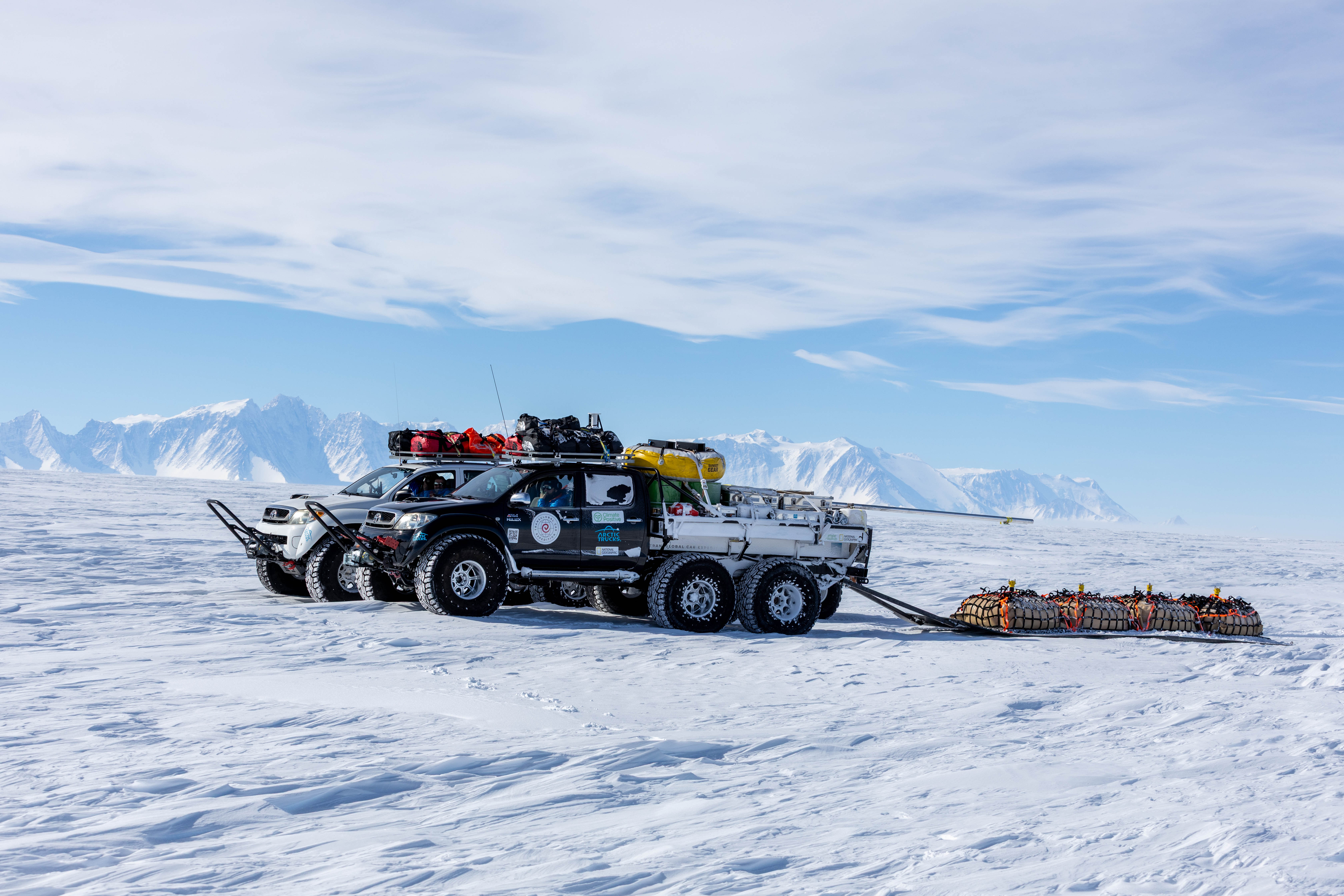
Few journeys on Earth are as remote, challenging and awe-inspiring as reaching the South Pole. While those not undertaking extreme expeditions such as skiing or walking may assume that the Pole is reached primarily by aircraft, a very small number of expeditions make the journey by vehicle, using specially modified platforms operated by Arctic Trucks Polar. These represent some of the most capable vehicles in existence, engineered specifically to operate in the harshest environment on the planet.
This article provides a brief introduction to what is required to drive across Antarctica and demonstrates that such a journey is indeed possible – even for you…..
The Ultimate Overland Expedition
The South Pole sits more than 2,800 metres above sea level on a vast ice plateau, much of which rises (some considerably) above 3,000 metres and is far away from any coastline. Temperatures regularly fall below minus 40°C, winds can exceed 100 km/h and there are no roads, fuel stations or immediate rescue services.
Operating in such an environment requires vehicles specifically designed for conditions that would be impossible for conventional transport.
Founded in Iceland, Arctic Trucks has built a global reputation for developing expedition-ready vehicles capable of operating in extreme polar environments. Arctic Trucks Polar, the logistical operating arm of the Arctic Trucks Group, deploys these vehicles in support of scientific expeditions and operational projects across Antarctica.
What Makes Arctic Trucks Polar VehiclesDifferent?
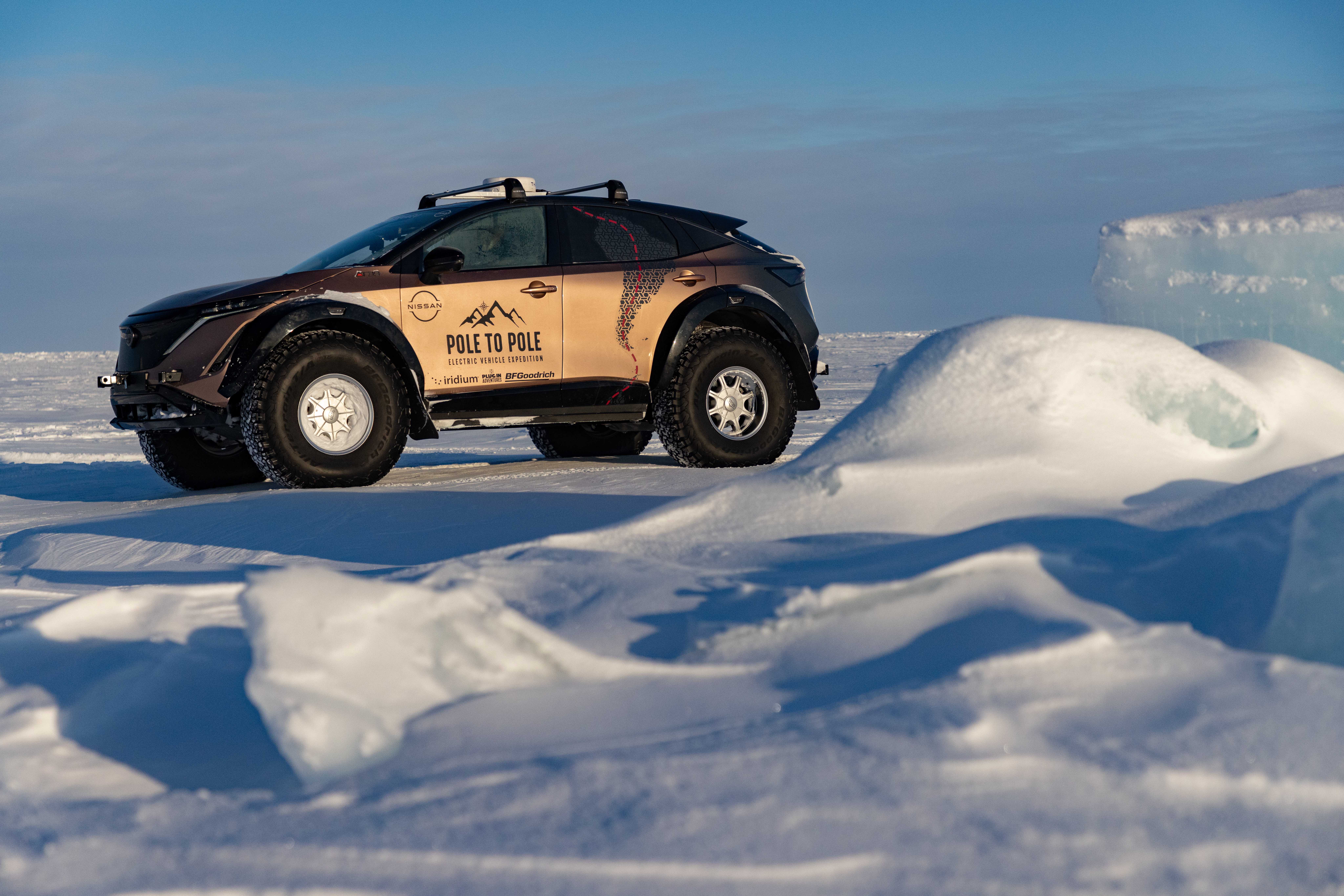
Polar vehicles begin life as production four-wheel-drive platforms from manufacturers such as Toyota and Ford. Drawing on more than 35 years of experience, Arctic Trucks extensively modifies these vehicles at its own facilities, transforming them into machines capable of travelling safely and reliably for thousands of kilometres across ice and snow.
Key modifications include:
1. Ultra-Low Ground Pressure Tyres
Large expedition tyres distribute the vehicle’s weight across a wide surface area, reducing ground pressure and preventing the vehicle from sinking into soft snow. Tyre pressures can be adjusted from within the cab, enabling efficient operation across constantly changing terrain.
2. Reinforced Suspension Systems
Heavy-duty suspension systems are designed to manage extreme loads, including fuel, supplies and scientific equipment.
3. Extended Fuel Range
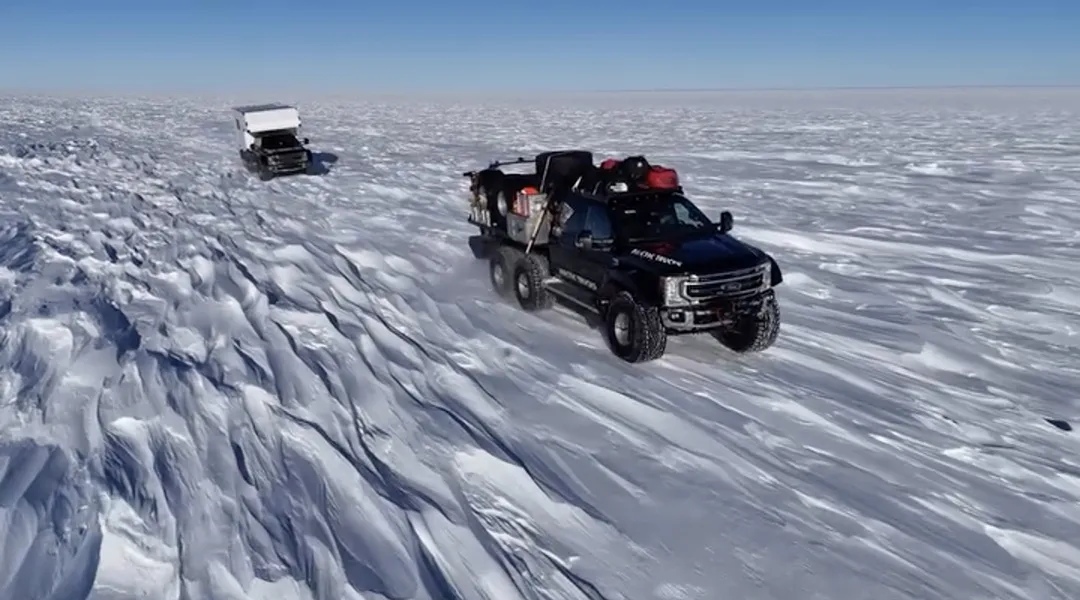
Fuel capacity is significantly increased. Additional fuel bladders or barrels may be carried onboard or towed (sledded) behind the vehicle, enabling extended range for long-distance traverses.
4. Cold-Weather Engineering
Every component is adapted for extreme low-temperature operation, including lubricants, seals, electrical systems and battery insulation.
5. Cargo and Towing Capability
Polar vehicles are capable of towing sleds carrying additional fuel, equipment and bulky cargo required for extended expeditions.
6. Mission-Specific Ancillaries
A range of specialised ancillary systems – from radar equipment to water-making systems – enhances the safety, capability and efficiency of each mission.
The Route Across Antarctica
Most South Pole expeditions begin at a point that is within range of flights from Chile or South Africa before travelling inland. Common departure points include:
From these starting points, expeditions drive between approximately 1,200 km (from Union Glacier) and 2,500 km (from Novo) across the frozen continent.
Along the route, teams must remain vigilant against (and avoid) crevasse fields, sastrugi (wind-carved snow ridges) and vast, featureless, landscapes while also managing weather conditions and the effects of increasing altitude.
Although progress can be slow, careful planning and operational expertise allow expeditions to advance steadily. Depending on the starting point, terrain and weather conditions, the journey may take between five and twelve days in each direction.
Most private expeditions to the South Pole depart from Union Glacier.
Living on the Ice
Driving to the South Pole involves far more than vehicle operation. Resilience, preparation and teamwork are essential.
Expedition teams must:
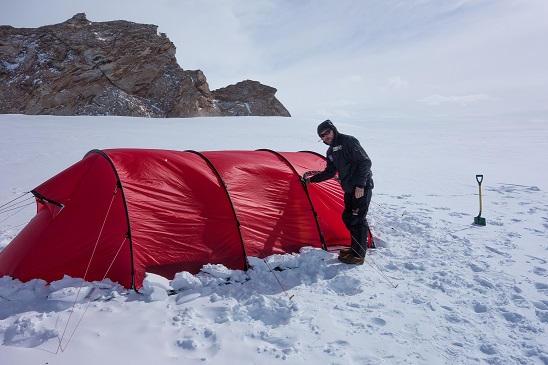
Within the vehicles, cabin heating systems provide a degree of warmth, while polar sleeping tents (or specially adapted Arctic Trucks camper vehicles) provide shelter for rest and meals.
Despite the very challenging conditions, the experience is extraordinary and often described as life-changing.
Reaching the Bottom of the World
After days of travel across the vast Antarctic ice sheet, expeditions arrive at Amundsen–Scott South Pole Station, the United States research station located at the geographic South Pole.
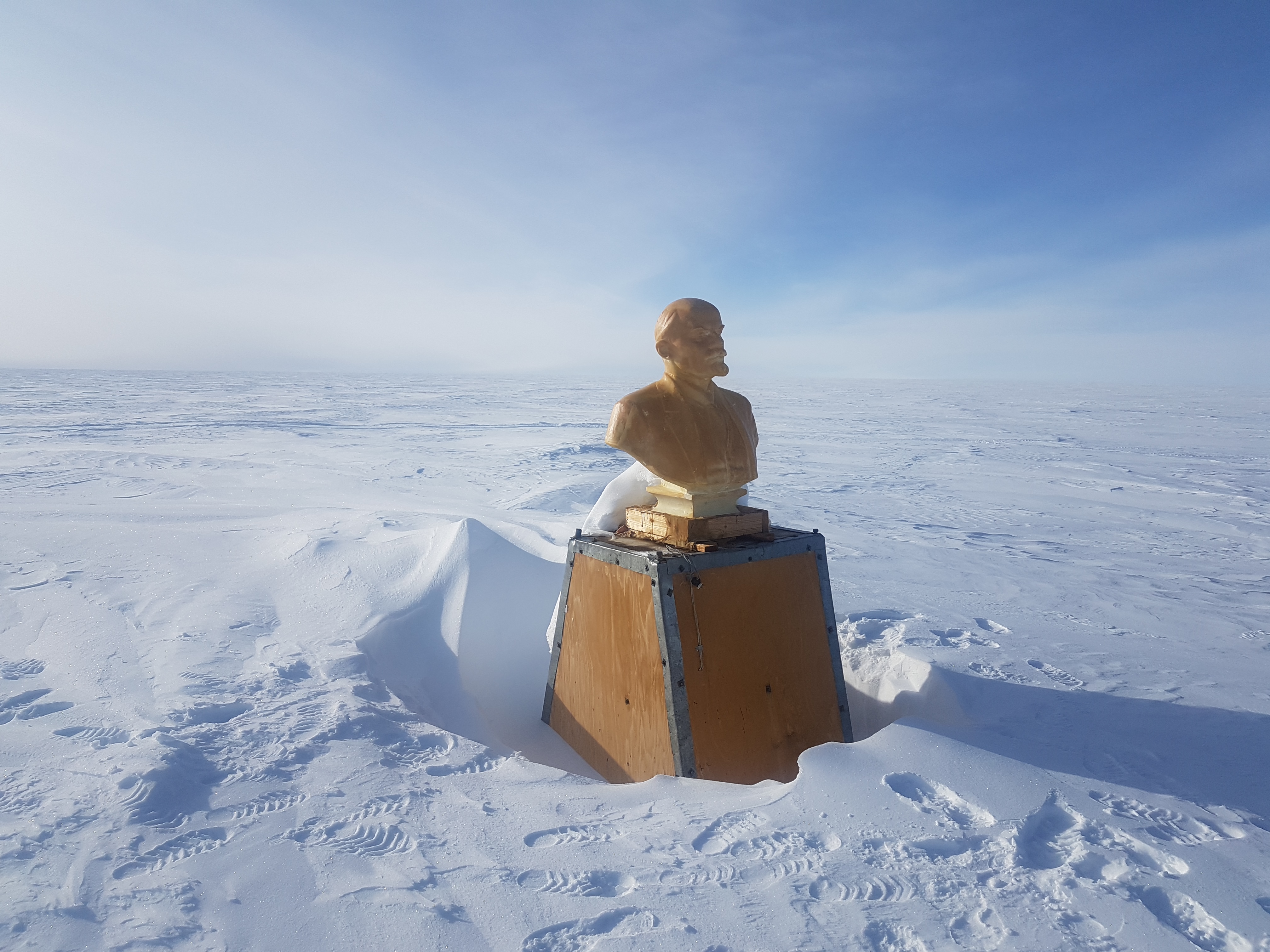
Standing beside the ceremonial South Pole marker, participants can reflect on the completion of one of the most remote overland journeys on Earth — a rare and memorable achievement.
Engineering Meets Exploration
Our Arctic Trucks Polar vehicles demonstrate that, with the appropriate engineering and operational expertise, even the most extreme environments on Earth can be accessed by vehicle.
Over many years of Antarctic operations, we have supported:
Each mission continues to expand the limits of what both our vehicles and the teams that operate them can accomplish in the most demanding conditions on the planet.
The Spirit of Polar Adventure
Driving to the South Pole is not about speed or comfort. It is about resilience, preparation and exploration.
With the right team, equipment and vehicles engineered for the challenge, the Antarctic continent becomes a place not only to endure, but also to explore.
For those travelling in an Arctic Trucks Polar vehicle, the journey to the bottom of the world represents a serious, life-affirming expedition.
Are you ready for the journey?